Operating instructions for electrical equipment in Ex zones: how to recognize a good one?
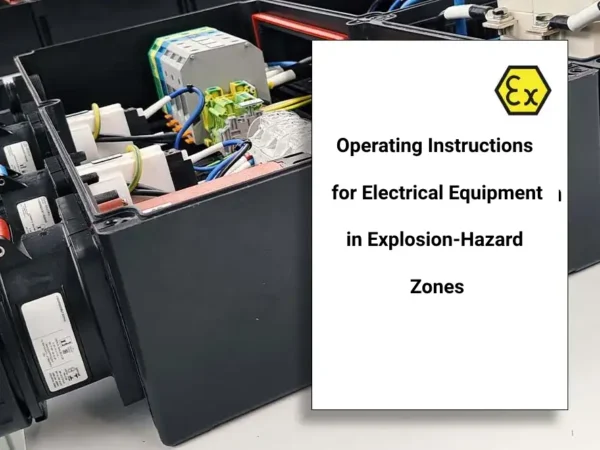

Operating instructions for electrical equipment in potentially explosive atmospheres are essential for ensuring safe operations and minimizing the risk of accidents in hazardous environments. These guidelines are particularly crucial in industrial plants, where they provide a structured approach to safely operating electrical systems within explosive zones. This article delves into the core components these instructions should encompass and practical steps to keep them as active, working documents in the field.
Essential elements of the manual
The operating manual must be reviewed by the plant manager and adhere to safety standards like EN 60079-17 and other occupational safety and fire protection regulations. At its core, the manual should list all equipment used in explosive atmospheres, with clear explanations of each item’s explosion-proof features. For example, a comprehensive guide helps users interpret the various Ex markings on equipment nameplates, providing clarity on their intended use and safety parameters.
The manual should include:
- Detailed Inspection Programs: Guidelines for safe execution of electrical work in explosive atmospheres, a crucial element as service and maintenance are frequent causes of industry accidents due to overlooked safety protocols.
- Static Electricity Protection Principles: Static electricity buildup, if left uncontrolled, can trigger dangerous sparks, potentially igniting explosive atmospheres and causing fires or explosions. Including protocols for preventing static electricity buildup is crucial for operational safety.
Moreover, the instructions should address all industrial electrical equipment, not just machinery. This includes HARDO products such as control panels, switchboxes, and circuit breakers:


Expanding the operating manual
To make the manual a more valuable reference tool, it is advisable to expand it with additional elements, such as:
- European standards and directives: References to key European directives and standards applicable to specific industrial installations. Notably, these standards, published in Poland by the Polish Committee for Standardization, may not always be available in Polish, posing a potential challenge for users not proficient in English or experienced with ATEX requirements.
- Detailed descriptions of Ex-zone enclosures: Guidelines for selecting the right equipment for various hazardous areas and understanding the types of Ex-zone enclosures.
- Installation guidelines: Principles for safely installing equipment with different explosion-proof designs.
Examples of descriptions and information for individual enclosures can be found in our entries:
- Flameproof enclosure Ex d – operating principle, advantages, limitations
- Reinforced construction Ex e – operating principle, advantages, limitations
Keeping the manual alive
To prevent the manual from becoming a ‘dead’ document, it’s critical to integrate its provisions into daily routines. Distribution alone is insufficient; training and practical engagement with the manual are vital to reduce the risk of severe incidents, including fires and explosions. Therefore, personnel involved in maintenance and repairs must undergo appropriate training to handle explosion-proof equipment safely, holding certifications like SEP gr: 1, para: 9.
Creating checklists of specific operational steps to be taken during maintenance rounds is also recommended. These checklists allow employees to record checks in real-time, fostering accuracy in daily operations and ensuring thorough documentation of inspections and maintenance activities. to keep records of subsequent inspections and determine next steps for the operation and maintenance of the equipment.