Inspection and maintenance of equipment in Ex zones
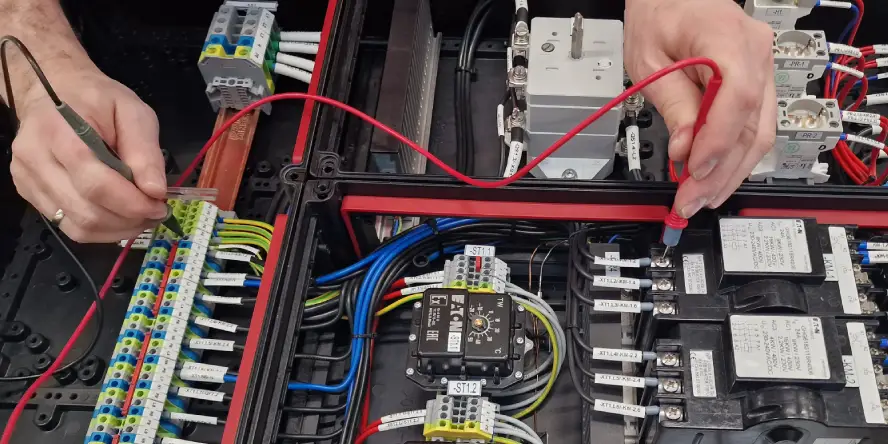

Inspection and maintenance of equipment should be written in the Operating Instructions for equipment in hazardous areas. What is the difference between the two and when should they be performed? You will find out by reading today’s article.
What is visual inspection of electrical equipment in hazardous areas?
The visual inspection of electrical equipment in explosive atmospheres is intended to provide a quick and general assessment of its technical condition. Their main task is to check that the electrical equipment and accessories are working properly and do not present a hazard. They mainly consist of a visual inspection without having to unscrew or open the enclosures. Sometimes the senses of hearing and touch are also used in the visual inspection.
The visual inspection should be carried out in accordance with the schedule laid down in the operating instructions. It is advisable to carry out the visual inspection on a regular basis and preferably on a daily basis, e.g. in combination with a daily plant walk-through. Other measures depend on local conditions, whether the visual and auditory inspection can be carried out daily or, for example, during maintenance shutdowns.
What to inspect during the visual inspection?
During the visual inspection, special attention should be paid to the condition of the wires and cables, especially the flexible ones, which are more prone to damage. If damage is detected, the cables should be replaced immediately. The condition of the enclosures of electrical equipment and cabinets should also be assessed, paying attention to the maintenance of an adequate degree of IP protection, which is crucial for protection against dust and moisture. The visual inspection also includes reading the readings of the installed control and measurement apparatus, which allows a quick assessment of the operation of the equipment.
In addition, special attention needs to be paid to equipment that is temporarily or permanently out of service, so that their cables and wires are properly protected with the correct terminals, housings, earthing and insulation. At this point, it is worth referring to the HARDO range of cable glands, which also includes a full spectrum of blanking plugs. Unused and, at the same time, unsealed cable entries are one of the most common deficiencies that our engineers diagnose at industrial sites.


Visual inspection during maintenance shutdowns (and when this can be done during normal plant operation) can be extended to checking the operation of safety devices and interlocks, both electrical and mechanical, checking bolted connections, as well as the temperature of enclosures, as elevated temperatures can indicate overheating of equipment.
Other elements to be monitored during the visual inspection include observing the operation of bearings and lubrication systems, as well as the operation of industrial automation, including but not limited to ventilation and other safety systems that affect operational safety.
When to carry out maintenance on electrical equipment in Ex zones?
According to EN 60079-17-2014, new installations should be subjected to a detailed acceptance inspection. For installations already in operation, it is important to determine the initial intervals between inspections and to gradually strive for an optimal inspection schedule that, on the one hand, ensures safety and, on the other hand, does not disrupt the continuous operation of the plant. It is worth noting that the standard does not specify the frequency of inspections, which allows for a flexible approach to scheduling. The exceptions to this are hand-held and portable electrical equipment, which should be visually checked before each use and inspected in detail at least once every 12 months. In cases where the equipment has a frequently opened housing, e.g. to access the battery, more detailed inspections need to be carried out on a cycle of no more than 6 months.
What to check during the inspection?
Inspections can be carried out on site, during a maintenance break, or in the workshop, depending on technical and organisational conditions. The inspection should also cover mating equipment that is installed outside the danger zones but has a direct impact on the tripping effectiveness of the equipment in the zone.
As part of the inspection, various measurements and operational tests, including detailed protective measurements, should be carried out. The condition of explosion protection must be checked. Wiring connections and the condition of switchgear contacts must also be analysed. It is also important to assess the condition of electrical and electronic parts inside enclosures and the condition of wire connections in terminal boxes.
In dust-prone areas, the IP rating of the equipment must additionally be checked. It is also important to carry out a temperature test of surfaces on which dust may accumulate to avoid the risk of ignition.
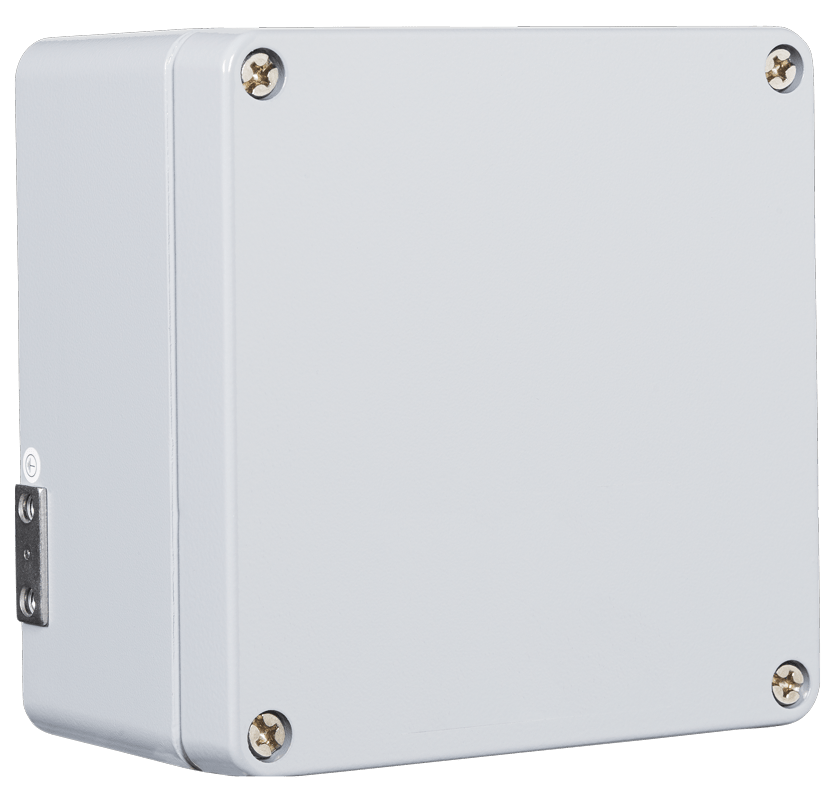
However, regardless of whether you have gas or dust explosion zones in your industrial plant, when choosing industrial electrical equipment, pay attention not only to ATEX / IECEx certification, but also to the right quality/price ratio. Thanks, among other things, to HARDO, the market has changed to such an extent that devices are now available at an affordable price that offer the same quality of workmanship that until recently was only achievable from market leaders. Check out examples of HARDO solutions:


How to record maintenance and repair of electrical equipment in hazardous areas?
After the inspections, any defects must be rectified and a protocol drawn up. The protocol should include a description of the scope of the inspection, an assessment of the technical condition of the equipment, and conclusions and recommendations. These records must be kept together with the technical documentation of the equipment for the period specified in the operating instructions. This action is essential to ensure continuous monitoring and to maintain the safety of the installation.